Considering a Pag-IBIG Acquired Property? Start With These Checks
A Pag-IBIG acquired property can look like a more affordable path to homeownership. But a lower price or a promotional discount does not automatically make a home the right buy. These properties are pre-owned, and Pag-IBIG says they are sold on an “as-is, where-is” basis—including the property's physical condition and whether it is occupied.
That makes careful checking especially important. Before you bid or commit, look beyond the listing price and ask what the property will really cost, what condition it is in, and whether it fits your plans.
Why more buyers are looking
Pag-IBIG Fund reported that buyers secured 18,071 acquired homes from January to October 2026, 55% more than in the same period in 2025. The properties had a combined sales value of ₱25.23 billion, up 74%. Pag-IBIG also reported an average purchase price of about ₱1.40 million per property.
Those are program-wide figures, not a promise that a specific listing will cost ₱1.40 million or be available at a particular discount. The Acquired Assets Super Sale Part 2 is advertised to run from September 1 through December 31, 2026, with discounts of up to 30%. Check the current official listing and sale terms: the discount and availability can depend on the property and the applicable rules.
1. Inspect the property—and confirm whether it is occupied
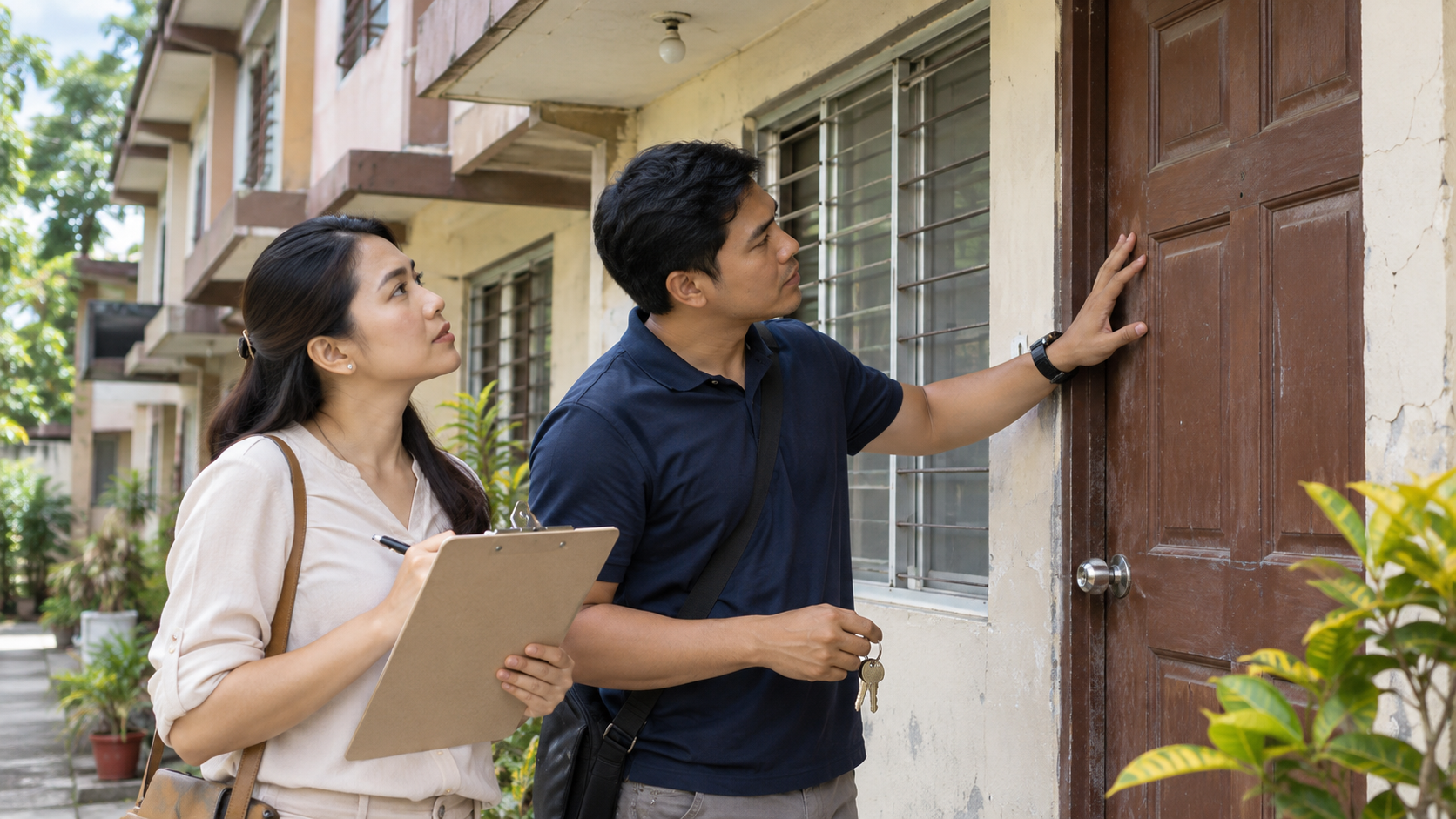
Start with the property's actual condition. Pag-IBIG's auction page says acquired assets are sold “as-is, where-is.” Its photos can help you screen listings, but they cannot show every repair issue or confirm that a home is ready to occupy.
If an inspection or site visit is permitted, check the structure, roof, plumbing, electrical fixtures, water damage, access, and the surrounding area. Ask what inspection arrangements are allowed before bidding. Also confirm whether the property is occupied. Pag-IBIG's terms make clear that occupancy is part of the property's status; do not assume that winning a bid means you can move in immediately.
If you cannot inspect the home yourself, consider whether a trusted local representative or a qualified property professional can assess it. Include possible repairs and the time needed to address them in your budget.
2. Verify the title and property details
Confirm that the address, lot or unit, boundaries, and other identifying details match the official listing and documents. For a serious purchase, obtain a Certified True Copy of the title and use it as part of your due diligence. The Land Registration Authority says a Certified True Copy may be used for due diligence when buying, selling, or leasing property.
If something is unclear—such as the title, ownership records, liens, access, or a discrepancy in the property details—get qualified legal advice before you proceed. A listing page is not a substitute for reviewing the relevant records and documents.
3. Calculate the full cost, not just the bid
A winning bid is only one part of the cost of owning a home. Make room in your budget for any required down payment or balance, loan payments, taxes and transaction costs, repairs, utilities, association dues, and moving expenses. Confirm the actual charges and payment deadlines for the specific property with Pag-IBIG before bidding.
Pag-IBIG lists cash, short-term installment, and long-term installment payment options for acquired assets. Its page describes long-term installment terms of up to 30 years, while the news report says qualified homebuyers may also use a Pag-IBIG Housing Loan. Eligibility, rates, terms, and the payment option available to you must be confirmed directly with Pag-IBIG. Estimate the monthly payment against your household income and existing obligations, and keep an emergency fund for repairs.
4. Check the rules and deadlines for that listing
Read the current bidding instructions carefully. Confirm the registration or Buyer ID steps, bid submission process, required documents, payment deadlines, and what happens if you win. Procedures and deadlines can differ by sale or listing, so rely on the current official Pag-IBIG information rather than an old guide or social media post.
Pag-IBIG also warns the public that it has no accredited brokers or agents authorized to offer or sell its acquired assets. Use the official Pag-IBIG channels to verify listings and transactions. Be cautious if someone asks you to send money or personal documents through an unofficial channel.
5. Decide whether it fits your needs
A low price is not the only measure of value. Consider the home's location, commute, schools or services nearby, safety, accessibility, likely repair time, and whether the property suits your household now and in the next few years. Compare it with other homes after adding repairs and other costs.
A Pag-IBIG acquired property may be worth exploring if its condition, location, total cost, and terms work for you. The practical benefit of checking first is simple: you can compare the real commitment with your budget and avoid treating a discount as a guarantee of a bargain.
A simple pre-bid checklist
- Review the official listing and the specific sale terms.
- Confirm the property details and whether it is occupied.
- Inspect the home where permitted; estimate repairs if needed.
- Check title and related records as part of due diligence.
- Add payment, transaction, repair, utility, and moving costs to your budget.
- Verify eligibility, financing terms, deadlines, and payment instructions with Pag-IBIG.
- Use official channels and be wary of people claiming to be authorized agents.
Pag-IBIG acquired assets can offer another route to homeownership, but every property has its own condition and costs. Treat the listing as a starting point for due diligence, then decide based on the specific home—not just the headline price.
Sources
- Pag-IBIG Fund Online Public Auction and acquired-assets information
- Land Registration Authority: Frequently Asked Questions
- BusinessMirror: Over 18,000 homebuyers secure homes through Pag-IBIG Fund Acquired Assets in ten months, up 55% (November 26, 2026)
- INQUIRER.net: Pag-IBIG acquired home sales rise 74% to ₱25.2B (November 26, 2026)